Standoff Railing Lower Mainland

Most glass railing systems, even the frameless ones, still have a base channel running along the bottom. It is practical, it is code-compliant, and for most installations it works well. But it is still there. Still visible. Still a line between the glass and the surface it sits on.

For homeowners and architects who want a truly clean installation, that base channel is the detail that does not quite disappear. On a high-end deck, a commercial balcony, or a statement staircase, the difference between a base channel system and a standoff railing is the difference between a good installation and one that looks like it was designed from scratch for that specific space.

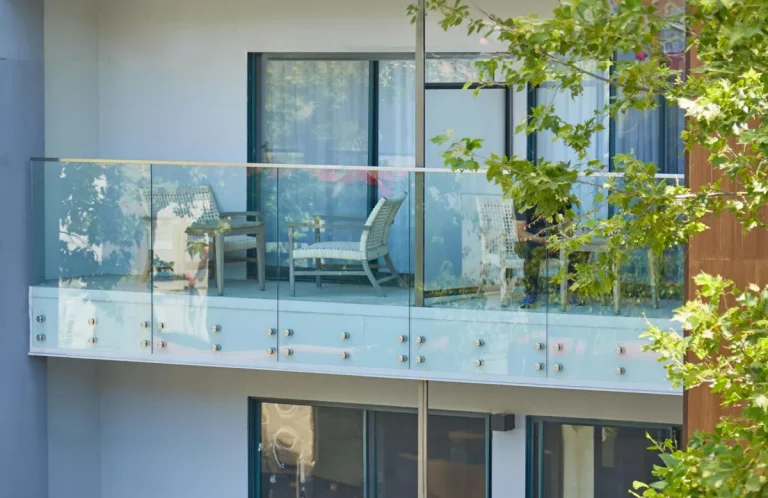
glass railing standoff system removes the base channel entirely. The glass panels are held in place by point-fixed standoff hardware drilled directly into the substrate, whether that is concrete, steel, or wood framing. The result is a standoff railing that appears to float, with no visible frame, no base channel, and nothing between the glass and the surface. It is one of the most architecturally striking railing installations available, and it is exactly what TJ Railing does.

For our full range of glass railing systems, visit our Glass Railing page.

GET A FREE QUOTE

Fill out the form and we'll get back to you to follow up & get your project started with a free, no-obligation quote.

standoff railing in Balcony

SERVICE OVERVIEW

What to Know Before Installing a Standoff Railing

glass railing standoff system requires more precision in both design and installation than a channel-based glass railing. Here is what matters before you commit to one.

  • Substrate matters. Standoff hardware anchors at individual points, which means each anchor location needs to be structurally sound. Concrete and steel substrates are ideal. Wood framing works, but the anchor points need to land on solid blocking. We assess the substrate on every standoff railing project before we design the layout.
  • Glass thickness. A standoff railing typically requires 12mm or 15mm tempered safety glass depending on panel size and load requirements. Thicker glass provides more rigidity between anchor points and is required for larger panels or higher-load applications.
  • Spacing and layout. The standoff hardware spacing is calculated based on panel size, glass thickness, and the load requirements of BC building code. This is not something that can be improvised on site. Every glass railing standoff system we install is engineered for the specific project before a single hole is drilled.
  • Indoor vs outdoor. Both applications work well. Outdoor standoff railing uses marine-grade hardware rated for moisture and UV exposure. Indoor systems can use a slightly different hardware finish, such as brushed stainless or matte black, to match the interior design.

What Is a Standoff Railing System?

standoff railing is a type of glass railing standoff installation where tempered glass panels are secured using point-fixed hardware called standoffs, rather than a continuous base channel or frame. Each standoff is a precision-machined fitting, typically in polished or brushed stainless steel, that anchors directly into the substrate and clamps onto the glass panel at a specific point.

The key difference between a standoff railing and other glass railing systems is where the support comes from. In a channel-based system, the glass sits inside a base channel that runs along the bottom of the panel. In a glass railing standoff system, each panel is held at individual anchor points, leaving the rest of the glass panel completely free. The effect is a railing that appears to be held by nothing at all.

Standoff systems are popular in high-end residential builds, commercial spaces, and architectural projects where the visual impact of the railing is as important as its function. They require precise installation, a substrate that can handle point-load anchoring, and 12mm or 15mm tempered safety glass to meet BC building code requirements.

Why Choose a Standoff Railing

standoff railing is not the right choice for every project. It is the right choice when the installation is meant to be noticed, and when the detail matters as much as the structure.

  • Maximum visual transparency. With no base channel and no top rail, a glass railing standoff system gives you the clearest possible view through the railing. Nothing interrupts the glass except the standoff hardware itself, which is deliberately minimal.
  • Architectural finish. The point-fixed standoff hardware is a design element in its own right. Polished stainless steel standoffs against clear tempered glass is a combination that reads as intentional, high-end, and custom. It works particularly well on contemporary homes and commercial properties in the Lower Mainland.
  • Versatility.Standoff railing systems can be installed on decks, balconies, staircases, interior mezzanines, and commercial balustrades. They work on concrete, steel, and wood substrates, and can be configured for both indoor and outdoor applications.
  • Durability. The standoff hardware we use is marine-grade stainless steel rated for BC's outdoor climate. Combined with UV-treated tempered glass, a standoff system installed correctly holds up for decades without rust, fading, or structural compromise.
  • BC building code compliant. All our standoff railing installations use glass thickness and hardware specifications that meet BC building code load requirements for residential and commercial railings.
stand of glass railing for indoor stairs

Why Choose TJ Railing for Standoff Railing Installation

We specialize in glass railing systems

We specialize in glass railing systems

Standoff railing is one of the more technically demanding glass railing installations. We have the experience and the process to do it right.

Every project is engineered first

Every project is engineered first

We calculate the layout before we drill. No improvised anchor spacing, no guesswork on glass thickness.

BC building code compliant

BC building code compliant

Every installation meets the load, height, and glass thickness requirements of BC residential and commercial building code.

Transparent pricing

Transparent pricing

You get a full itemized quote before we start. No surprises.

AREAS WE SERVE

Standoff Railing Service Areas

We install standoff railing systems across the Lower Mainland, Fraser Valley, and Sea-to-Sky corridor:

GOOGLE REVIEWS

What Customers Say About TJ Railing

Real feedback from homeowners and property owners who chose TJ Railing & Patio Cover for glass railing, gate, fence, and exterior system projects across the Lower Mainland.

PROCESS

How We Install Standoff Railing

Free On-Site Consultation

Free On-Site Consultation

We assess your substrate, measure the space, and determine whether a standoff railing system is the right fit for your project. We walk you through the options with no pressure.

Engineering and Design

Engineering and Design

We calculate anchor point spacing, glass panel sizing, and hardware specifications based on your space and BC building code load requirements. Every glass railing standoff layout is designed before installation begins.

Material Preparation

Material Preparation

Your tempered glass panels are cut to exact dimensions. Standoff hardware is sourced and staged. Nothing is adjusted on site.

Precision Installation

Precision Installation

Anchor points are drilled and set to exact positions. Standoff hardware is installed and torqued to spec. Glass panels are mounted and secured. The process is slower than a channel system because the precision requirements are higher.

Final Walkthrough

Final Walkthrough

We inspect every anchor point, every glass panel, and every hardware connection before we leave. Everything is checked against BC building code requirements and your design expectations.
Get Your Free Standoff Railing Quote Today

Ready to see what a standoff railing looks like in your space? Get your free on-site consultation today. We come to you, assess the substrate, and give you a clear quote with no obligation.

FAQs

Frequently Asked Question

A frameless glass railing typically uses a continuous base channel along the bottom to hold the glass panels. A standoff railing uses individual point-fixed hardware called standoffs that anchor directly into the substrate. The standoff system leaves more of the glass panel exposed and creates a more minimal, architectural appearance. Both are frameless in the sense that there is no top rail, but the glass railing standoff system has no base channel either.


standoff railing system is typically more expensive than a channel-based glass railing due to the precision hardware and engineering requirements. Costs vary depending on panel size, glass thickness, substrate type, and linear footage. Contact us for a free on-site quote with exact numbers for your project.


Yes. When properly engineered and installed, a glass railing standoff system is as structurally sound as any other railing type. It uses 12mm or 15mm tempered safety glass and marine-grade stainless steel hardware, both rated for the load requirements of BC building code. The key is that the anchor spacing and glass thickness must be calculated correctly for the specific installation, which is why we engineer every project before installation begins.


standoff railing can be installed on concrete, steel, and wood framing. Concrete and steel provide the most reliable anchor points. Wood framing works well when the anchor points land on solid blocking. We assess the substrate on every project before we design the layout.

Yes. Standoff railing works well for interior applications including staircases, mezzanines, and interior balconies. Indoor systems can use a different hardware finish, such as brushed stainless or matte black, to match the interior design. The glass and hardware specifications are adjusted for indoor load requirements.


standoff railing installation takes longer than a standard channel-based glass railing because the anchor point precision requirements are higher. Most residential projects take two to three days depending on linear footage and substrate complexity. We give you a clear timeline before the project starts.

RELATED SERVICES

Explore Other Railings Services